
Pregnancy & Birth
5 Things I Wish I'd Known Before the Delivery Room
What no book, class, or well-meaning friend could prepare me for.
Too long? Here's the short version.
- The plan will change—roll with it.
- Your job is presence, not fixing.
- The first cry hits different—that is normal.
- Pack light. Pack yourself—your patience, your calm.
- Every dad in that room is terrified too.
I thought I was ready. I had the bag packed. The car seat installed. The playlist queued up. I'd read the books, watched the videos, practiced the breathing (mostly so I didn't look like a complete idiot when the time came). I was as ready as a first-time dad could be.
Then we walked into that delivery room—and everything I thought I knew went out the window. Not in a dramatic, movie-style way. In a quiet, humbling, "I-have-no-clue-what-I'm-doing" kind of way.
Here are five things I wish I'd known before the big day.
Point One
The Plan Will Change—Roll With It
We had a plan. A solid one. Written down. Practiced in our heads. Then labor started—and nothing went the way we expected.
Contractions came faster than the books said. The epidural didn't take the first time. At one point, a nurse looked at me and said, "We might need to pivot." I froze.
I'd prepped for a plan. I hadn't prepped for the plan changing. Here's what I learned: the plan isn't the goal. The goal is a healthy mom and a healthy baby. The path there is a suggestion, not a contract.
Point Two
Your Job Is Not to Fix Anything
I walked into that room ready to fix. I wanted to solve problems. I wanted to make her pain disappear. I wanted to say the perfect thing, find the right pressure point, make everything easier. That's not how it works.

You can't fix labor. You can't make it less painful. You can't speed it up or slow it down by sheer willpower.
What you can do is hold her hand. You can whisper, "I'm here." You can stay steady when everything around you is chaos. That's the job. Not fixing. Staying.
Point Three
That First Cry Will Wreck You (In the Best Way)
I thought I was ready for that moment. I'd seen it in movies. Heard stories from friends. Played it out in my head a hundred times. Then it happened.
The doctor said, "Here she comes." My wife gave one last push. And then—that sound. That tiny, fragile, impossible sound.
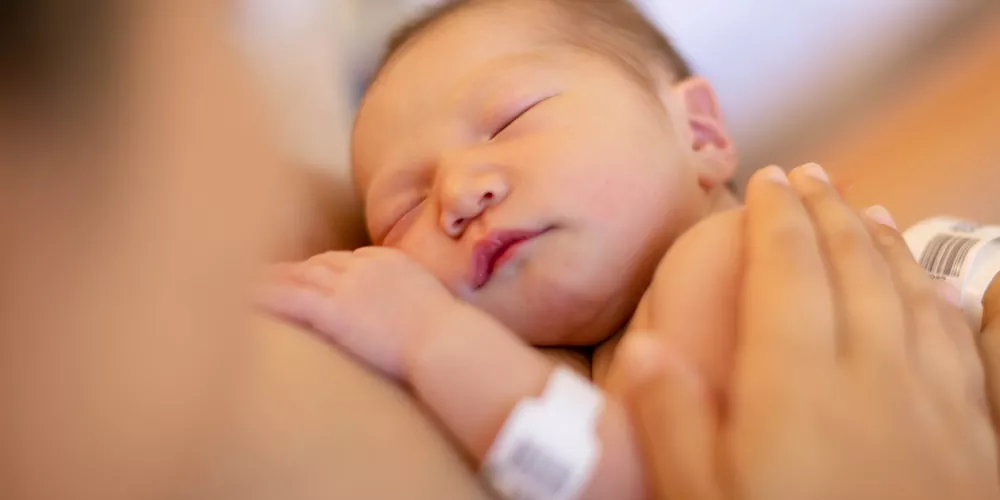
I didn't cry. I didn't say anything poetic. I just stood there, holding my wife's hand, watching this little human take her first breath. And I thought: Everything just changed.
Point Four
You'll Forget Half of What You Packed
We packed two bags. Snacks. Chargers. Extra clothes. Pillows. A Bluetooth speaker. A folder with all the paperwork. I think I used maybe half of it.
The snacks sat untouched. The speaker never got turned on. I didn't change clothes until we left the hospital two days later.
What actually mattered? The phone charger. The water bottle. The pillow she'd been using for six months and couldn't sleep without. And me. Just me being there.
Point Five
You're Not the Only One Who's Terrified
I spent the entire pregnancy thinking I was the only one who felt this way. Scared. Unsure. Terrified I wasn't enough.
I smiled. Said all the right things. Told my wife, "We got this," even when I didn't believe it.
Then I walked into that delivery room and realized every other dad was walking in with the same feeling. The same fear. The same doubt. The same question: Am I gonna be a good father?
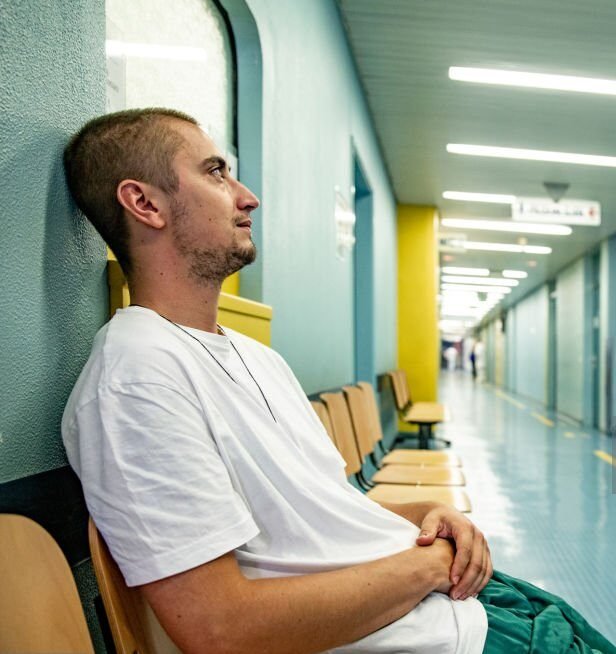
I remember catching eyes with another dad in the waiting area. We didn't say a word. We just exchanged a look. And in that look, I saw it—he was asking the same question.
From The Book
"She does not need perfection in that room. She needs your face."
During our delivery, the epidural meant she could not feel the contractions. The midwife kept saying "push, push"—and she was pushing into nothing. When the midwife handed me a thermal water spray and told me to cool her down, my wife sent me away. Not gently. I did not say anything. I put down the spray, took her hand, and just talked to her softly. That was the whole job. Not the spray. The hand.
—Chapter 11, "The Delivery Room," From Panic to Present
What I'd Tell You Right Now
You're not ready. Nobody is. But that doesn't mean you're not enough.
Show up. Stay present. Hold her hand. Breathe. That's what she needs. That's what your baby needs. That's what you need.
If you want something practical to take with you—something that actually helps—I put together a free kit with checklists, calm-down tactics, and reminders for the big day. The stuff I wish I'd had in that room.